
Tarangire National Park lies in northern Tanzania’s Manyara Region, roughly 118 kilometres southwest of Arusha. Covering approximately 2,850 square kilometres, it is defined by the permanent Tarangire River, which winds through a landscape of rolling hills, acacia woodlands, seasonal swamps, grasslands, and iconic giant baobab trees. The river is the only reliable water source for a vast surrounding ecosystem during the long dry season, drawing huge concentrations of wildlife from the wider Maasai Steppe.
The park is especially famous for its enormous elephant herds—among the largest in East Africa—and for its exceptional birdlife. It forms an important part of Tanzania’s northern safari circuit, often combined with Lake Manyara, Ngorongoro, and the Serengeti.
The name “Tarangire” is linked to the river and is sometimes associated with local references to warthogs or the abundance of wildlife. Pastoralist communities, particularly the Maasai, Mbugwe, and Barabaig, lived and grazed livestock across the area for centuries, coexisting with the seasonal movements of wildlife. In the early 20th century the region attracted European hunters due to its plentiful game. Recognising its ecological value, the colonial administration designated it a game reserve in 1957. After Tanzanian independence, the post-independence government under Julius Nyerere prioritised conservation. The area was declared a game reserve again in 1969 and officially established as Tarangire National Park on 30 October 1970. Today it is managed by the Tanzania National Parks Authority and remains a vital dry-season refuge for migratory herds.
Best Time to Visit Tarangire
Wildlife viewing in Tarangire is strongly seasonal because of the park’s role as a dry season concentration area.
Dry season (June to October, peaking July–November) is by far the best time for classic game viewing. As water sources outside the park dry up, thousands of animals including large herds of elephants, zebra, wildebeest, and buffalo migrate into Tarangire and gather along the Tarangire River and around the Silale Swamp. Vegetation thins out, making animals easier to spot, and the weather is generally sunny and pleasant (though mornings can be cool). This is peak season, so expect more visitors.
Wet/green season (November to May) brings lush landscapes, wildflowers, and excellent birdwatching as migratory species arrive. Many animals disperse into the wider ecosystem, so concentrations are lower and game viewing is more challenging, especially during the long rains of March–May when some roads become muddy. Rates are often lower and the park is quieter, making it appealing for those who prefer fewer vehicles and green scenery.
Recommendation: Visit between July and October (or into early November) for the highest wildlife densities and dramatic elephant gatherings. For birding, photography of green landscapes, and lower costs, the short rains or shoulder periods work well. Tarangire remains worthwhile year-round for its resident elephants and baobabs.
Wildlife in Tarangire National Park
African Elephant
Elephants are the park’s signature attraction. The ecosystem supports thousands of elephants, and during the dry season herds of 200–300 (sometimes more) regularly gather along the river and swamps. Watching large family groups, including calves, interact among the baobabs is one of the great spectacles of a northern Tanzania safari. Elephants often dig wells in dry riverbeds, providing water for other animals as well.
Giraffee
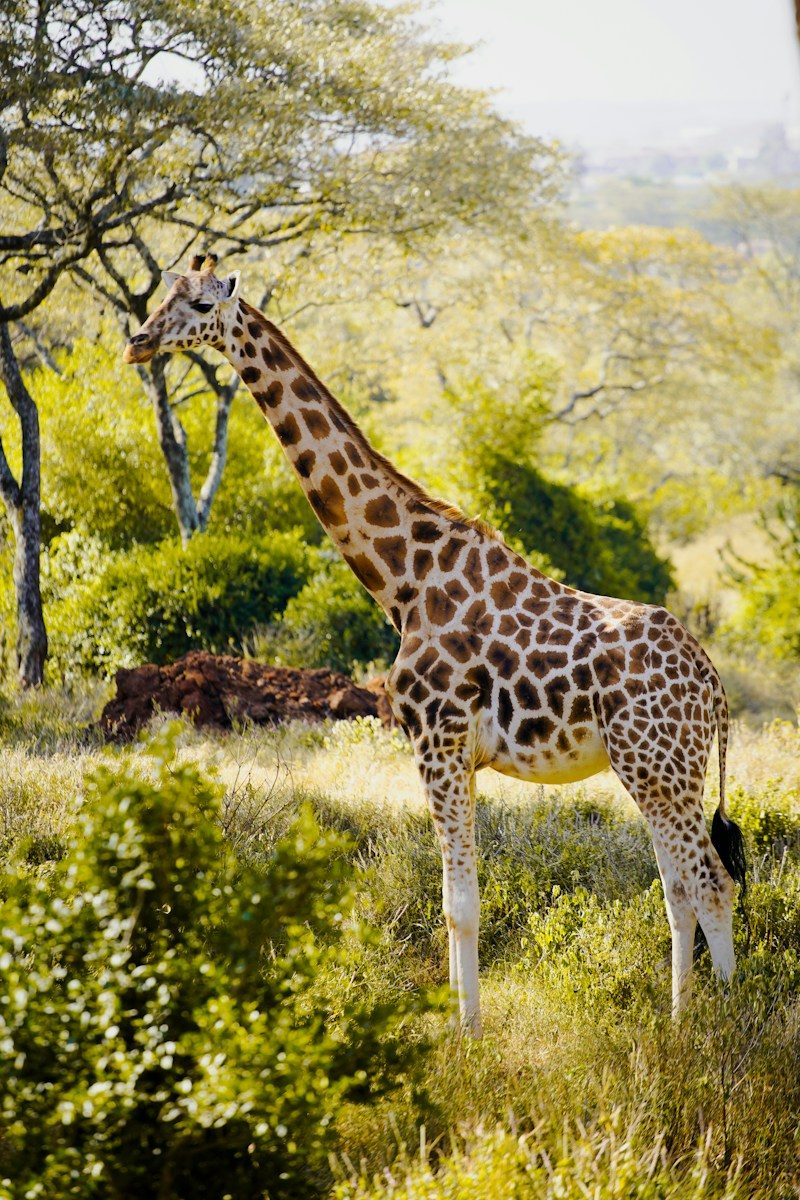
Giraffes (Masai giraffe) are frequently encountered browsing acacia trees across the park. Their elegant presence adds to the classic savanna scenes.
Zebra and Wildebeests
Zebra and wildebeest migrate into the park in large numbers during the dry season, creating impressive mixed herds along the river. They are among the most visible large mammals at this time of year.
African Buffalo
Cape buffalo form large, impressive herds that graze across the open plains. They are among the most abundant large mammals and provide classic safari scenes as they move in groups toward water.
Birdlife
Birds number over 500 species across the conservation area’s varied habitats. On the crater floor, highlights include large flocks of greater and lesser flamingos that gather at the alkaline Lake Magadi, turning the shores pink. The world’s heaviest flying bird, the kori bustard, strides across the plains, while ostriches, grey crowned cranes, secretary birds, and various storks, egrets, and waterbirds are commonly seen. Grassland specialists, woodland birds in the Lerai Forest, and seasonal migrants (especially during the rains) add further variety, making Ngorongoro excellent for both casual and dedicated birdwatchers.
Why Visit Tarangire
Tarangire is often described as one of the northern circuit’s best-kept secrets. While less famous than the Serengeti or Ngorongoro, it delivers outstanding wildlife concentrations especially elephants against a distinctive backdrop of ancient baobabs and open savanna. It is quieter than the more popular parks, more accessible from Arusha, and offers excellent value, making it ideal as a first or last stop on a northern Tanzania safari or as a destination in its own right.
Why is Tarangire special for elephants?
It hosts some of the largest elephant herds in northern Tanzania. In the dry season, hundreds of elephants can be seen at once along the river an unforgettable sight.
Is the Big Five present?
Elephants, lions, and buffalo are commonly seen. Leopards occur but are harder to spot. Rhinos are absent from the park.
How long should I spend there?
One to two full days (or 2–3 nights) is ideal for most visitors, allowing time to explore the river, swamps, and different habitats. It combines easily with Lake Manyara or as a day trip from Arusha.
Is it good outside the dry season?
Yes for elephants (which remain year round) and birdwatching. Game viewing is simply more scattered when animals disperse.
What else can I experience?
Beyond game drives, activities include walking safaris in certain areas, night drives in adjacent conservancies, cultural visits to nearby Maasai communities, and superb photography of baobabs at sunrise or sunset. The park’s relative quiet and dramatic dry-season concentrations give it a wild, intimate feel that many travellers find deeply rewarding.
Tarangire offers a classic African safari experience focused on elephants, baobabs, and rich dry-season wildlife perfect for those seeking both spectacle and a sense of space.