
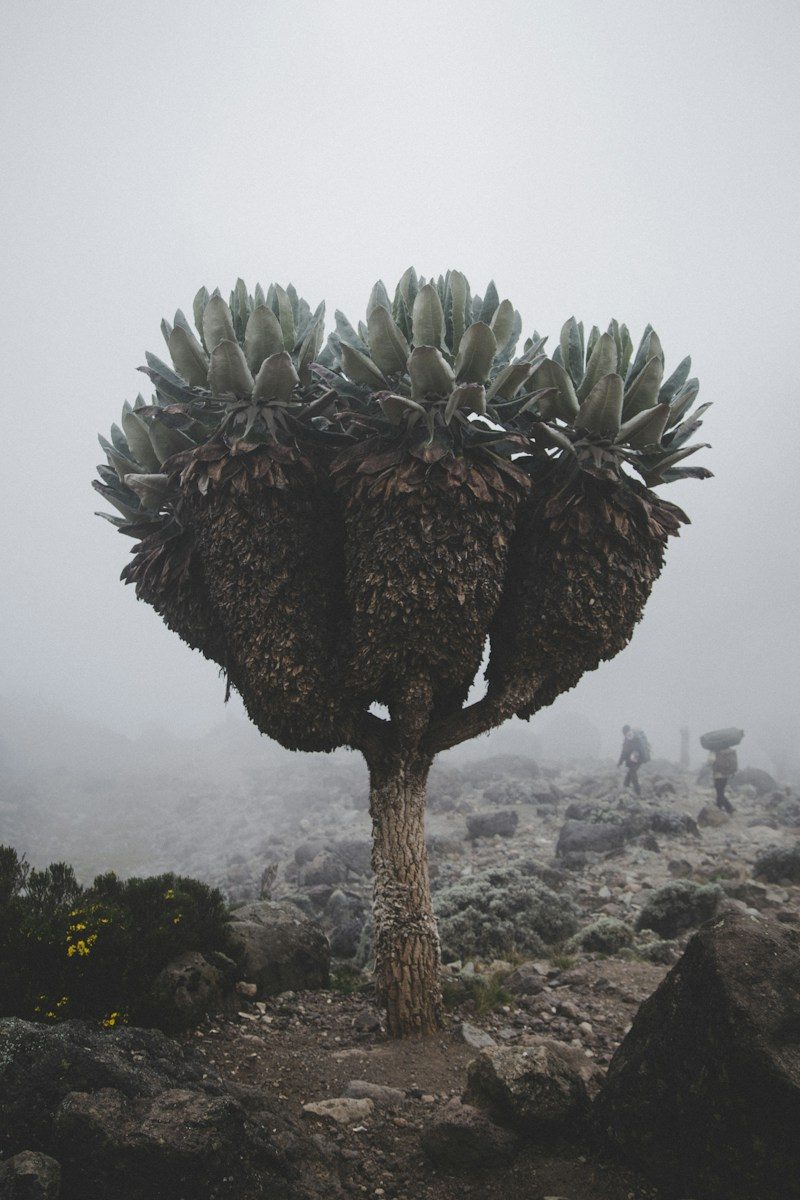
Mount Kilimanjaro is Africa’s highest mountain and the world’s tallest freestanding mountain, rising to 5,895 metres (19,341 feet) at Uhuru Peak on the Kibo cone. Located in northeastern Tanzania near the Kenyan border, this iconic volcanic massif consists of three main peaks: Kibo (the highest and youngest), Mawenzi, and the eroded Shira. Its snow-capped summit, just south of the equator, has long captured the imagination of explorers, climbers, and travellers.
The mountain has been home to the Chagga people for centuries; they developed sophisticated agriculture and irrigation systems on its fertile southern and eastern slopes. The first European to report the snow-capped peak was German missionary Johannes Rebmann in 1848. The first confirmed ascent of the summit was achieved in 1889 by German geographer Hans Meyer and Austrian mountaineer Ludwig Purtscheller.
During the colonial era the mountain became a symbol of exploration and later of Tanzanian independence Uhuru Peak means “Freedom Peak” in Swahili. Mount Kilimanjaro National Park was established in 1973 to protect the mountain and its forest corridors; it was designated a UNESCO World Heritage Site in 1987. Today Kilimanjaro is one of the most popular high-altitude treks in the world, drawing thousands of climbers each year who seek to stand on the “Roof of Africa.”
Best Time to Climb
Kilimanjaro can be climbed year-round, but weather and trail conditions vary significantly.
Dry seasons offer the best conditions and highest summit success rates.
- January to early March (short dry season): Generally clear skies, good visibility, and fewer crowds than the main peak period. Temperatures are relatively mild.
- Late June to October (main dry season): The most popular and reliable window. Skies are typically clear, trails are drier, and summit views are excellent. July and August are the busiest months; September often provides an excellent balance of weather and slightly lower crowds.
Rainy seasons (long rains March–May and short rains November–early December) bring wetter trails, cloudier conditions, and lower success rates. Some routes (especially Rongai on the drier northern side) remain more viable, but many climbers prefer to avoid the heaviest rain months of April and May.
Recommendation: Aim for January–February or July–September for the clearest weather and best chances of a successful summit. Book well in advance for peak months. Longer itineraries (7–9 days) improve acclimatisation and success rates regardless of season.
Climbing Routes
Machame Route
Machame Route (often called the “Whiskey Route”) is one of the most popular and scenic options. Typically done in 6–7 days, it approaches from the south through rainforest, moorland, and alpine desert, featuring the dramatic Barranco Wall. It follows a “climb high, sleep low” profile that aids acclimatisation. Expect more climbers, especially in peak season, but outstanding views and a strong success rate on the 7-day itinerary.
Lemosho Route
Lemosho Route is widely regarded as one of the most beautiful and successful paths. Approaching from the west, it starts in remote rainforest and crosses the scenic Shira Plateau before joining the southern circuit. Usually completed in 7–8 days, it offers excellent acclimatisation, varied landscapes, and fewer crowds in the early stages. High success rates make it a top choice for many first-time climbers.
Marangu Route
Marangu Route (the “Coca-Cola Route”) is the oldest and only route with permanent mountain huts instead of tents. It is the shortest option (5–6 days) and has a gentler gradient, making it popular with those who prefer hut accommodation or tighter schedules. However, the shorter duration means less time for acclimatisation, resulting in lower average success rates. It is busier and less varied in scenery than western or southern routes.
Rongai Route
Rongai Route approaches from the north near the Kenyan border and is the driest and quietest of the main routes. Typically 6–7 days, it offers a gradual ascent, fewer climbers, and better weather during the rainy seasons. Scenery is more open and less forested in the lower sections. It joins the more popular southern routes higher up for the final summit push.
Northern Circuit
Northern Circuit is the longest route (usually 8–9 days) and circles a large portion of the mountain. It provides the best acclimatisation profile and the highest summit success rates, along with remote wilderness and panoramic views. It is ideal for those prioritising success and solitude, though it requires more time and is among the more expensive options.
Umbwe Route
Umbwe Route is the steepest and most direct approach from the south. Done in 5–6 days, it is challenging and suited to experienced, well-acclimatised trekkers. Crowds are minimal, but the rapid altitude gain increases the risk of altitude-related issues, so it is not recommended for most first-timers.
Why Climb Kilimanjaro
Climbing Kilimanjaro is a bucket-list adventure that combines physical challenge, dramatic landscapes (from rainforest to arctic summit), and the profound satisfaction of reaching the highest point in Africa. It requires no technical mountaineering skills, making it accessible to fit, well-prepared trekkers of many ages, yet the altitude demands respect, proper pacing, and good guiding.
How difficult is the climb?
It is a strenuous multi-day trek rather than a technical climb. The main challenges are altitude, consecutive long walking days, and variable weather. Success depends more on acclimatisation and a slow “pole pole” (slowly slowly) pace than on extreme fitness.
Which route is best for beginners?
Lemosho (7–8 days) or Machame (7 days) offer good scenery and solid acclimatisation. Marangu is an option if you prefer huts, but the longer versions of other routes generally give higher success rates.
Do I need previous high-altitude experience?
Helpful but not essential. Choosing a longer route and listening to your guides significantly improves your chances.
How long should I allow?
Most successful climbs take 7–9 days on the mountain. Add travel days to/from Moshi or Arusha, and consider combining the climb with a safari.
What about success rates?
Overall rates vary widely by route length and operator quality. Longer itineraries (especially 8–9 days) consistently produce higher summit percentages. Proper preparation, hydration, and following guide advice are critical.
Kilimanjaro remains one of the world’s great trekking experiences demanding yet achievable, and unforgettable for those who stand on Uhuru Peak watching the sunrise over Africa.