
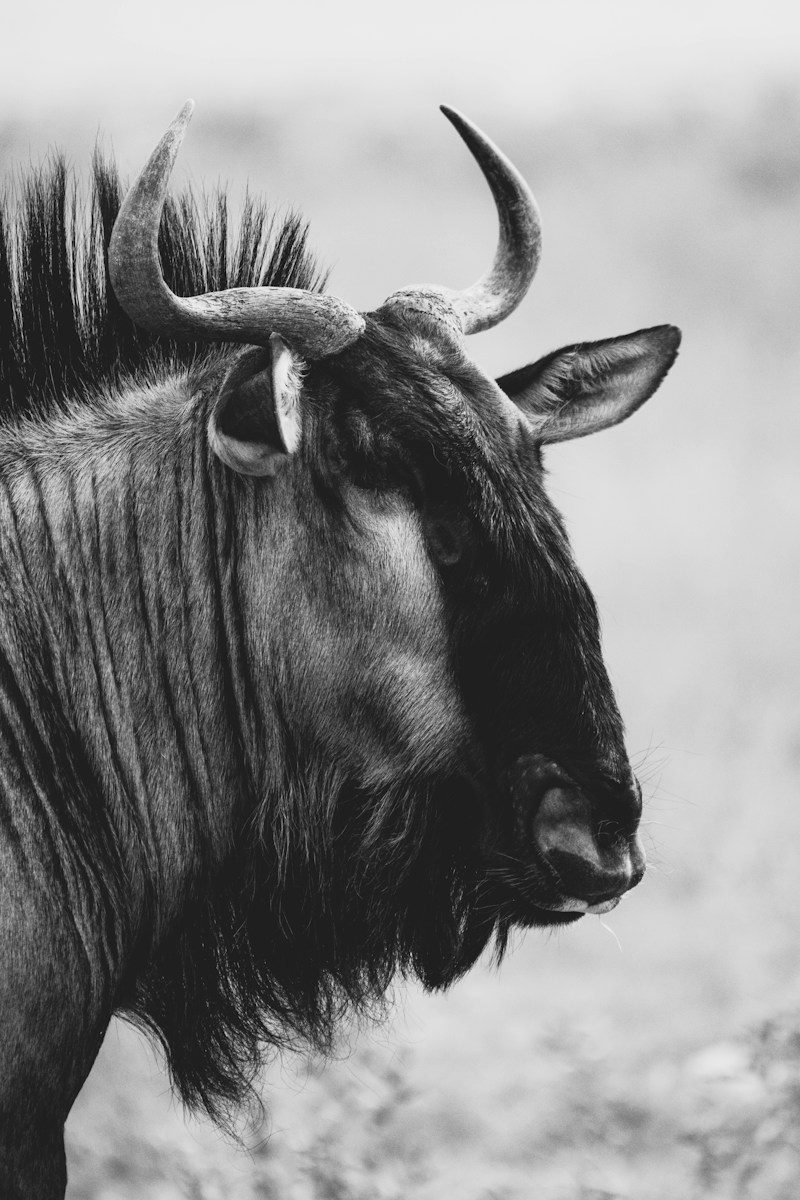
Kenya is one of Africa’s premier tourism destinations, renowned for its extraordinary wildlife, dramatic landscapes, vibrant cultures, and Indian Ocean coastline. Located on the East African equator, the country stretches from the snow-capped peaks of Mount Kenya and the Great Rift Valley to the vast savannas of the Maasai Mara and the white-sand beaches of the coast. At the heart of its global appeal is the Great Wildebeest Migration—one of the planet’s most spectacular natural events—where more than a million wildebeest, accompanied by hundreds of thousands of zebras and gazelles, move in a continuous cycle between Kenya’s Maasai Mara and Tanzania’s Serengeti, culminating in dramatic river crossings in the Mara each year.
Tourism is a major pillar of the Kenyan economy and ranks among the top sources of foreign exchange. Modern tourism has roots in the colonial era, when big-game hunting safaris attracted wealthy visitors from Europe and North America. After independence in 1963, the government actively developed the sector, expanding lodges, national parks, and beach resorts. The combination of classic safari experiences—anchored by the Great Migration—and coastal holidays became the foundation of Kenya’s tourism product. Today the country welcomes millions of visitors annually for wildlife viewing, cultural encounters, adventure, and beach relaxation, supported by a well-developed infrastructure of parks, conservancies, and resorts.
Best Time to Visit Kenya
Kenya’s climate and wildlife patterns make it a year-round destination, but timing depends on whether you prioritise safari or beach.
Dry seasons are ideal for wildlife viewing.
- June to October (long dry season) is peak safari time. Vegetation is sparse, animals concentrate around water, and the Great Migration is in the Maasai Mara (especially July–October for river crossings). Weather is generally clear and pleasant.
- January to March (short dry season) offers excellent game viewing with fewer crowds than the main peak period and warmer temperatures.
Beach holidays on the Kenyan coast are best from December to March and also good during the June–October dry season, when seas are calmer.
Rainy seasons (long rains April–May and short rains November) bring greener landscapes, lower prices, and fewer visitors, but some roads can be challenging and wildlife is more dispersed. Birdwatching is often excellent during these periods.
Recommendation: July–October for the ultimate safari experience (especially the Migration in the Mara), or January–February for a quieter yet highly rewarding combination of safari and beach. Many travellers combine inland parks with a few days on the coast.
Attractions in Kenya
Maasai Mara National Reserve
Maasai Mara National Reserve is Kenya’s most famous wildlife destination and part of the greater Serengeti ecosystem. Its rolling golden grasslands support exceptional densities of big cats, large herds of plains game, and the climax of the Great Migration, when hundreds of thousands of wildebeest and zebra cross the Mara River (typically July–October). Cultural encounters with the Maasai people add another dimension. It remains the quintessential Kenyan safari experience.
Amboseli National Park
Amboseli National Park delivers one of Africa’s most iconic views: large herds of elephants moving across open plains with the snow-capped peak of Mount Kilimanjaro rising in the background. The park is renowned for its big-tusked elephants, reliable game viewing, and photogenic landscapes. Swamps and dusty plains create a striking contrast that makes Amboseli a favourite for photographers and first-time visitors.
Lake Nakuru National Park
Lake Nakuru National Park, set in the Great Rift Valley, is celebrated for its birdlife (including large flocks of flamingos when conditions are right) and strong populations of both black and white rhinos. Rothschild’s giraffes, lions, leopards, and buffalo are also regularly seen in this compact, scenic park of acacia woodlands and lakeshore.
Tsavo National Parks
Tsavo National Parks (East and West) form one of Kenya’s largest protected areas. Known for their vast, rugged wilderness, red-dust elephants, and diverse habitats ranging from savanna and hills to lava flows and springs, the Tsavos offer a sense of true wild Africa. Tsavo West is particularly scenic with its volcanic landscapes and Mzima Springs, while Tsavo East feels more open and remote.
Samburu National Reserve
Samburu National Reserve (and the neighbouring Buffalo Springs and Shaba reserves) in northern Kenya showcases a distinctly arid landscape and unique wildlife not commonly seen further south. Special species include the reticulated giraffe, Grevy’s zebra, Beisa oryx, and Somali ostrich, alongside elephants, big cats, and the culturally rich Samburu people. It offers a more remote and authentic safari atmosphere.
Why Visit Kenya
Kenya remains one of the world’s greatest safari destinations, combining world-class wildlife viewing, diverse landscapes, rich cultures, and the option to finish with Indian Ocean beaches. Whether you want the drama of the Great Migration, classic elephant-and-Kilimanjaro scenes, or a mix of parks and coast, Kenya delivers memorable experiences with excellent infrastructure and guiding.
How long should a first trip be?
7–12 days is ideal for a classic itinerary covering two or three parks (e.g., Maasai Mara + Amboseli or Lake Nakuru) plus optional beach time. Longer stays allow inclusion of Tsavo, Samburu, or Mount Kenya.
Is the Great Migration guaranteed?
The migration follows a natural cycle and is most reliably seen in the Maasai Mara from roughly July to October, with river crossings often peaking August–September. Exact timing varies with rainfall.
Can I combine safari and beach?
Yes—very easily. Many itineraries end with a few days on the south coast (Diani) or north coast after the parks.
Is Kenya suitable for first-time safari travellers?
Absolutely. The range of parks, high wildlife densities in key reserves, and well-established tourism infrastructure make Kenya an excellent introduction to African safaris.
What about culture?
Maasai and Samburu cultural visits, Swahili coastal heritage (especially around Lamu), and urban experiences in Nairobi add depth beyond wildlife.
Kenya offers an unmatched blend of iconic wildlife spectacles, dramatic scenery, and welcoming cultures—making it a must-visit destination for anyone seeking the essence of East African adventure.